Health and Safety Policy — House Clearance Swiss Cottage
In delivering professional house clearance and rubbish removal services, our organisation commits to maintaining the highest standards of health and safety for staff, clients and the public. This policy explains responsibilities and practical controls for all activities related to house clearance Swiss Cottage operations and associated rubbish collection and waste management. It applies to everyday clearances, bulk rubbish removal and specialist house clearance services, including handling of potentially hazardous materials, and is designed to be clear, practical and enforceable.Scope and Purpose
The purpose of this policy is to establish a framework that protects people and property while ensuring efficient service delivery across our service area. It covers risk assessment, safe working procedures, personal protective equipment, training, incident reporting and continual improvement. While tailored to house clearance tasks, the principles here also guide rubbish removal teams, drivers and contractors who operate within local service regions without engaging in legal specifics or site-specific contractual terms. Roles and responsibilities are defined to ensure accountability. Key duties include:
- Management: provide resources, review policy and ensure legal compliance as a minimum standard;
- Supervisors: conduct risk assessments, authorise disposal routes and verify permits where required;
- Operatives: follow safe systems of work, use PPE and report hazards immediately.
Risk Assessment and Work Planning
Every clearance job is preceded by a documented risk assessment that identifies hazards such as sharps, broken glass, heavy items, asbestos-containing materials and chemical containers. The assessment determines control measures, including segregation of waste streams, using mechanical aids and restricting access when necessary. The risk assessment must be communicated to the team through a brief pre-job briefing and retained for audit purposes.Practical controls include clear marking of hazardous items, safe lifting techniques, use of spill kits for liquids, and strict procedures for electrical items and batteries. For asbestos-suspect materials, work will cease until a competent surveyor advises on safe removal or specialist disposal. These measures reduce the potential for injury and environmental contamination during house clearance operations.
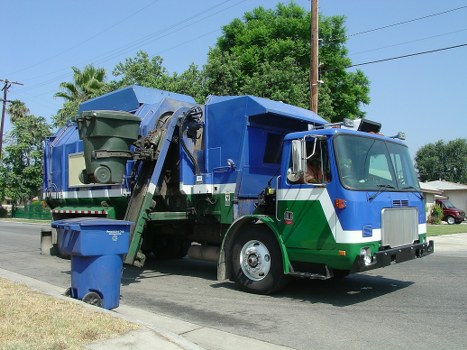 Personal Protective Equipment (PPE) and tools are provided according to task risk: gloves, high-visibility clothing, safety boots, eye protection and masks where dust or biohazards may be present. Teams are trained to inspect tools and vehicles before use, and to secure loads for transport. Vehicles used for rubbish removal are maintained to company standards, and drivers are briefed on safe loading, route planning and manual handling limits to reduce musculoskeletal injuries.
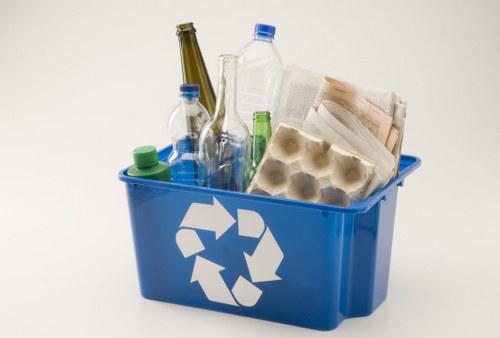
Waste handling and segregation follow a clear hierarchy: reuse and recycling are prioritised, then recovery and safe disposal. All items collected during house clearance are categorised on site for recycling, hazardous waste, electrical items (WEEE) and general refuse. Where specialist disposal is required — for example for chemicals or contaminated materials — items are consigned to licensed facilities using authorised carriers to maintain environmental and public safety standards within the rubbish company service area.
Health precautions emphasise hygiene, first aid readiness and prompt reporting. A nominated first aider is assigned to each crew, first-aid kits are accessible and all staff know the procedure for reporting incidents and near misses. Staff experiencing symptoms from dust, fumes or biohazards must stop work and seek medical attention, with management supporting any necessary medical follow-up.
COSHH and hazardous substances are controlled by clear labelling, secure containment and staff training. Any chemicals or cleaning agents discovered during clearances are treated as suspect until identified and are managed in line with safe handling instructions. Regular toolbox talks reinforce awareness of hazardous goods encountered during house clearance and rubbish removal tasks.
Manual handling is mitigated through task planning, team lifts, trolleys and powered aids where practical. We emphasise correct posture, pre-shift warm-ups and rotation of duties to reduce repetitive strain. Supervisors monitor lifting techniques and intervene if unsafe practices occur. Equipment such as hoists and stair climbers are maintained and used by trained personnel only.
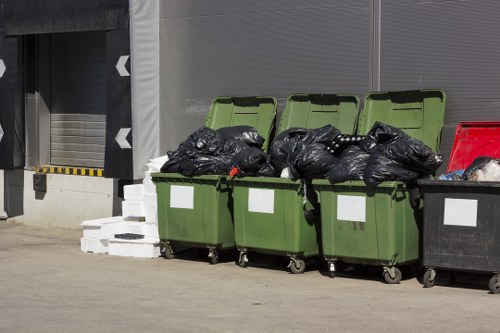 Monitoring, inspection and incident investigation form part of our continuous improvement process. Regular site inspections, vehicle checks and completed job reviews inform preventive actions. When an accident or significant near miss occurs, an investigation is carried out to identify root causes, implement corrective measures and share lessons learned across teams engaged in house clearances and rubbish removal activities.
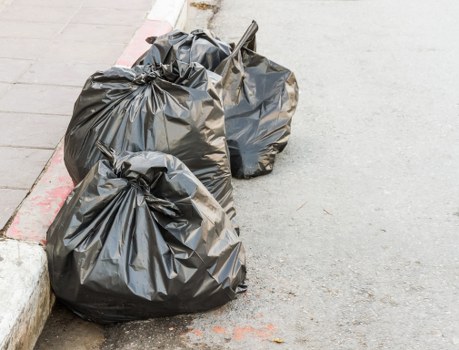 Policy review and commitment: This health and safety policy is reviewed at least annually or following a significant incident, regulatory change or operational shift in our house clearance services. Management remains committed to providing resources and leadership so that all employees, subcontractors and members of the public are protected. By following this policy, teams contribute to safer, more efficient house clearance operations across the service area while upholding environmental stewardship and professional rubbish removal standards.