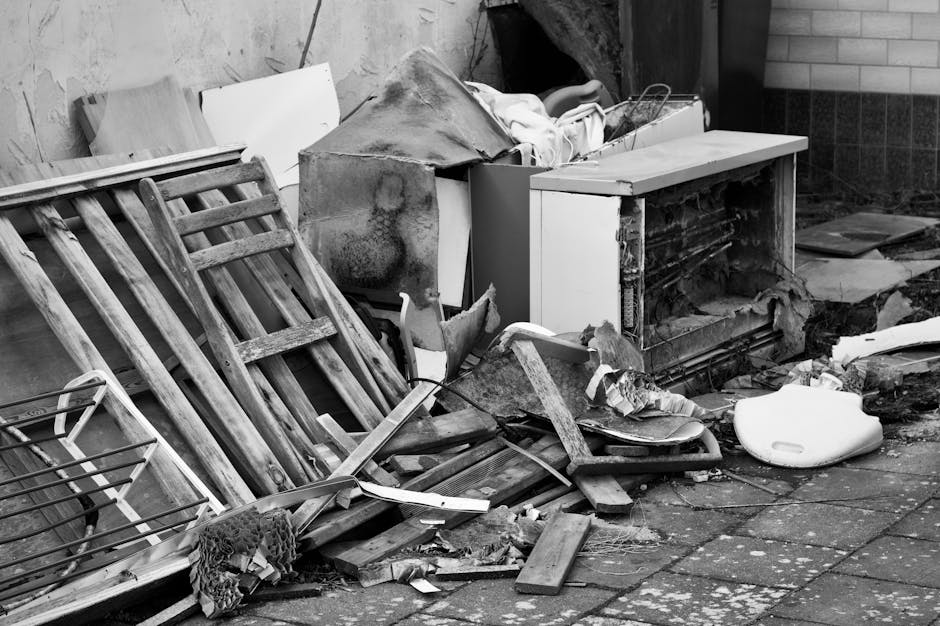
House rubbish removal NW3 Swiss Cottage step by step guide
If you are staring at a hallway full of old furniture, a cracked mattress in the spare room, or a garden shed that has quietly become a dumping ground, you are not alone. House rubbish removal in NW3 Swiss Cottage can feel like one of those jobs that should be simple, yet somehow turns into a half-day of sorting, lifting, bagging, and second-guessing. This House rubbish removal NW3 Swiss Cottage step by step guide is here to make the process clearer, safer, and far less stressful.
Whether you are clearing after a move, tackling accumulated clutter, or simply trying to get your space back, the right approach saves time and usually saves money too. It also helps you avoid the annoying bits: heavy lifting done badly, restricted access on narrow streets, and the classic "where on earth does this go?" moment. Let's walk through it properly.
Table of Contents
- Why this guide matters
- How house rubbish removal works
- Key benefits and practical advantages
- Who this is for and when it makes sense
- Step-by-step guidance
- Expert tips for better results
- Common mistakes to avoid
- Tools, resources and recommendations
- Law, compliance, standards and best practice
- Options, methods, and comparison table
- Case study or real-world example
- Practical checklist
- Conclusion
- Frequently asked questions
Why House rubbish removal NW3 Swiss Cottage step by step guide Matters
House rubbish removal is not just about getting rid of things. It is about restoring usable space, reducing stress, and making sure waste is handled properly. In a place like Swiss Cottage, where homes often have shared entrances, parking constraints, and stair-heavy layouts, planning matters even more than people expect.
A clear guide helps you avoid the common trap of starting with enthusiasm and then hitting a wall halfway through. That wall is usually physical, not emotional: an old wardrobe that does not fit through the door, a pile of mixed waste that needs separating, or a bulky item that requires two people and a bit of confidence. Truth be told, the "easy" version of rubbish removal is rarely easy once you are standing in the room with it.
This is also about responsibility. Waste should be sorted, moved, and disposed of in ways that are safe and sensible. If you are dealing with a house clearance after a tenancy change, an inherited property, or a long-overdue declutter, a step-by-step approach keeps things under control and helps reduce avoidable mistakes.
Expert summary: The best rubbish removal outcomes usually come from three things: sorting before lifting, planning access before collection, and choosing a disposal method that fits the volume and type of waste.
If you want to understand the service side of things as well, you may also find the company's about us page useful for learning more about the team approach and local working standards.
How House rubbish removal NW3 Swiss Cottage step by step guide Works
In simple terms, house rubbish removal usually follows a sequence: assess the waste, decide what stays and goes, prepare access, remove the items, then sort and dispose of them properly. That is the broad picture. The detail is where most of the success sits.
You might handle some parts yourself, such as separating general household waste from reusable items. Other parts are better handled with professional help, especially when there are heavy loads, awkward access, or large volumes that would take multiple car trips. In NW3 Swiss Cottage, that practical decision can make a big difference because many properties are compact, older, or shared in ways that make lifting furniture down narrow staircases a bit of a workout.
A well-run removal job also tends to include:
- an initial discussion about what needs clearing
- a realistic estimate based on volume and item type
- confirmation of access details, parking, and timing
- safe loading and responsible disposal
- recycling or reuse where possible
Good communication matters more than people think. If there is a piano stool behind a stack of boxes, or a sofa tucked into a tight lounge, the team needs to know before arriving. That is not overthinking it. That is just being efficient.
For people who want a clearer idea of costs and quoting style, the pricing and quotes page is a useful place to start. It can help you understand what information to prepare before you request an estimate.
Key Benefits and Practical Advantages
There are obvious benefits to clearing rubbish from a home, but there are also quieter ones that only show up once the work is done. The room feels larger. The air feels lighter. You stop bumping into that one awkward chair every time you walk past. Small thing, big relief.
Here are the main practical advantages:
- Less stress: You do not have to keep living around piles of unwanted items.
- Safer spaces: Clear floors and corridors reduce trip hazards and blocked exits.
- Better planning: It becomes easier to prepare a property for sale, letting, renovation, or handover.
- Time saved: What might take you all weekend can often be dealt with much faster when organised well.
- Smarter disposal: Items can be separated for recycling, donation, or proper waste processing.
Another overlooked advantage is emotional momentum. Once the rubbish goes, other jobs suddenly feel possible. You start noticing the things you could not see before: the paintwork needs a touch-up, the shelf needs fixing, the spare room could actually be useful. It is a bit like opening a window after a long rainy week.
Responsible clearance also matters from a standards point of view. If you care about sustainability, using a company that prioritises recycling and reuse can be a better fit than simply tipping everything into one mixed load. You can learn more about this approach on the recycling and sustainability page.
Who This Is For and When It Makes Sense
This guide is useful for homeowners, landlords, tenants, executors, letting agents, and anyone dealing with a property that has too much unwanted stuff in it. It is also relevant if you are in the middle of a partial refurbishment and need old materials removed before work can continue.
Common situations include:
- post-move clearouts
- garage, loft, or shed clearances
- household downsizing
- end-of-tenancy clean-ups
- estate clearances after a bereavement
- furniture removal before redecorating
- general accumulation of household junk over time
Sometimes the need is obvious. Sometimes it sneaks up on you. A couple of broken chairs, a few old boxes, a bag "you will deal with later" and suddenly the room is not really a room anymore. If that sounds familiar, this kind of service probably makes sense.
If you need a direct conversation about your situation, the contact us page is the easiest route for making an enquiry and getting practical guidance.
Step-by-Step Guidance
Here is the part most people want first. A proper, no-nonsense step-by-step process for house rubbish removal in NW3 Swiss Cottage.
Step 1: Walk through the property and identify everything that needs removing
Start with a room-by-room review. Be honest with yourself here. If it is in the house and you are not sure you need it, put it in a separate "decision" pile. That little pile is often where progress begins.
Look for bulky items, bagged rubbish, broken goods, old appliances, cardboard, and mixed household clutter. Check lofts, cupboards, under beds, shed corners, and those areas behind doors where things quietly multiply. They do, somehow.
Step 2: Separate waste into sensible groups
Group items by type so the removal is smoother later. A practical split usually includes:
- general household rubbish
- bulky furniture
- electrical items
- recyclable materials
- items that might be reused or donated
- hazardous or specialist waste, if any
This does not need to be perfect, but it should be tidy enough to make decisions easier. Mixed waste is slower to handle and can affect disposal options.
Step 3: Measure access, exits, and parking constraints
Swiss Cottage properties can be straightforward in some cases and fiddly in others. Measure doorways if you have large items. Check stair turns, hall width, lift size where relevant, and whether street parking or loading access may be restricted. A sofa that looks manageable in a living room can become a completely different beast on the landing.
Set aside time to think about where items will be carried out. Are there fragile banisters? Is the path narrow? Will neighbours need clear passage? These details save a lot of backtracking.
Step 4: Decide what you can handle yourself and what needs professional help
Light bagged rubbish and a few manageable items may be suitable for DIY removal. Heavy wardrobes, mattresses, multiple floors, and awkward electronics are often better left to a trained team. Not because you cannot do it, but because it is easy to strain something or damage walls on the way out.
To be fair, one of the signs you need help is when you find yourself planning a "quick lift" with the sort of optimism usually reserved for flat-pack furniture instructions. If the item looks awkward now, it will not become elegant halfway down the stairs.
Step 5: Request a quote with enough detail
A good quote depends on good information. Share the number of rooms, item types, volume, access limitations, parking notes, and whether anything needs special handling. If photos are requested, send clear ones. Dark, blurry hallway shots are not especially helpful, lovely though the effort may be.
Use the company's pricing and quotes page as a guide for what to expect before you book.
Step 6: Prepare the property before the collection day
On the day before or morning of the removal, make the space as accessible as possible. Clear the route to the door, move small breakables, and keep pets and children safely away from the work area. If there are items you want to keep, label them clearly. It sounds basic. It is basic. And still, people forget it all the time.
Step 7: Confirm the collection plan
Before the team starts, walk through the job together. Point out any fragile areas, hidden items, or anything that should not be touched. This is a good moment to raise questions about recycling, disposal, or whether certain items need separate handling.
That five-minute conversation can save a lot of back-and-forth later.
Step 8: Removal, loading, and sorting
During collection, a careful team should remove items safely, protect walls and flooring where needed, and keep the loading process organised. If items are reusable or recyclable, they should be separated where practical. The aim is not just speed. It is speed with judgement.
Step 9: Final sweep and sign-off
Once the rubbish is out, take a last look around the rooms, cupboards, and corners. Check that nothing you intended to keep has gone. Then ask for confirmation of what was removed and what happens next. If you like a tidy finish, this is the satisfying bit. The room suddenly feels different. Quieter, almost.
Expert Tips for Better Results
After enough clearances, a few habits stand out. They are small, but they make the day smoother.
- Photograph the waste before collection: This helps with quoting and reduces confusion about what is included.
- Separate valuables first: Check drawers, cushions, bags, and shelves before anything is moved.
- Label keep piles clearly: A bit of masking tape can prevent an expensive mistake.
- Leave a clear pathway: It sounds obvious, but people often forget the narrow bit by the kitchen door.
- Plan around the neighbours: Try to avoid unnecessarily noisy lifting at awkward hours.
- Ask about recycling: Not every item should be treated the same way.
One practical tip that helps in older buildings: wrap or pad any corners that are likely to be scraped during removal. A folded blanket can be more useful than a fancy solution. Honestly, sometimes the simplest fix is the best one.
If you want reassurance around handling and safety standards, the insurance and safety page is worth a look. For a broader overview of working practices, the health and safety policy also provides a useful reference point.
Common Mistakes to Avoid
Most clearance problems come from rushing. Not always, but usually. People see the mess, want it gone immediately, and then miss the details that matter.
- Skipping the sort: Mixed waste slows everything down.
- Underestimating access issues: Stairs, tight turns, and parked vehicles can change the whole plan.
- Forgetting hidden items: Cupboards and drawers are classic hiding places for small bits of value.
- Trying to lift too much alone: This is where minor jobs become painful ones.
- Not checking what is included in the quote: Clear expectations avoid awkward surprises.
- Ignoring specialist items: Some materials need separate treatment, especially anything hazardous or electrical.
One of the more frustrating mistakes is assuming everything can simply be thrown together and sorted later. Sometimes that is fine. Often it is not. The cleaner the preparation, the better the outcome.
If something feels unclear in the process, stop and ask. Better a slightly longer conversation now than a wrong decision later. That is the sensible version of house clearance, anyway.
Tools, Resources and Recommendations
You do not need a van full of equipment to organise rubbish removal, but a few simple tools help a lot.
- strong refuse sacks
- gloves with a proper grip
- tape and labels for keep/sort piles
- a torch for lofts, cupboards, and under-stairs spaces
- a dolly or sack truck for heavy items, if safe to use
- blankets or corner protection for moving furniture
- a phone camera for recording what needs removing
For practical support beyond the actual removal, it helps to understand a company's service ethos and operating standards. The about us page can help with that, while the recycling and sustainability page is useful if environmental handling matters to you.
There are also a couple of useful trust pages worth knowing about. The payment and security page explains how transactions are handled, and the terms and conditions page helps set expectations clearly before any job begins.
Law, Compliance, Standards, or Best Practice
Waste handling in the UK should be treated carefully. You do not need to be a compliance expert to book a rubbish removal service, but it helps to understand the basics. Waste should be transported and disposed of responsibly, and the company you choose should be able to explain how it manages sorting, safety, and disposal practices.
In normal domestic settings, the main practical concerns are straightforward:
- do not leave hazardous or specialist waste mixed in with general rubbish unless the provider confirms it can be handled properly
- make sure access routes are safe and clear
- do not place yourself at risk by lifting items that are too heavy or unstable
- check that the provider is clear about what is included and what happens to removed items
It is also sensible to ask about insurance, especially when furniture removal involves narrow hallways, stairs, or shared communal areas. For more context on this, the insurance and safety page is a useful internal reference. If you have concerns, the complaints procedure page shows that there is a structured route for resolving issues if something does not go as planned.
Good practice is not glamorous, but it matters. Careful handling, clear communication, and responsible disposal are the real markers of a professional service. That is what people remember in the end.
Options, Methods, or Comparison Table
There are usually three main ways people handle house rubbish removal: do it themselves, use a man-and-van style collection, or book a fuller clearance service. The right choice depends on volume, time, access, and how much lifting you want to do yourself.
| Method | Best for | Strengths | Drawbacks |
|---|---|---|---|
| DIY removal | Small amounts, lighter items, short distances | Flexible, direct control, can be low cost if you already have transport | Time-consuming, physically demanding, multiple trips |
| Man-and-van collection | Moderate loads, mixed household rubbish, bulky items | Quick, convenient, suitable for varied items | May require good access planning; not always ideal for very large clearances |
| Full house clearance service | Large, complex, or time-sensitive clearouts | Most comprehensive, less stress, better for difficult access and bigger jobs | Usually the highest-cost option, though often the most efficient overall |
There is no one-size-fits-all answer. A small loft clearout might be easy enough to manage yourself. A whole flat after years of accumulation is another story entirely. Common sense wins here.
Case Study or Real-World Example
Here is a realistic example based on the kind of job people often need in NW3 Swiss Cottage. A couple preparing to downsize had a back bedroom full of old bookcases, mixed boxes, broken office chairs, and a wardrobe that had been dismantled but never removed. They thought it would be a single-load job. In practice, it needed more thought because the building had a narrow staircase, and the street had limited stopping space.
What worked well was simple. First, they sorted the keep items from the rubbish. Then they photographed the clearance areas and shared the details before the appointment. They also made sure the hallway was clear, and they warned the neighbours that some lifting would happen in the morning. Not fancy, just organised.
The removal itself went much more smoothly because the access issues had already been discussed. The team could plan the lift route, protect walls at tight corners, and separate recyclable materials from general waste. The couple said the biggest surprise was not how much went out, but how much calmer the room felt once it was empty. You could hear the floorboards again. A tiny thing, but a real one.
The lesson? Preparation usually matters more than brute force. If you spend ten minutes planning, you can save an hour of awkward lifting and unwanted damage. Simple as that.
Practical Checklist
Use this checklist before collection day. It keeps the job moving and helps you avoid the easy-to-miss stuff.
- Walk through every room and identify rubbish, bulky items, and anything to keep
- Separate reusable items, recyclables, and general waste where possible
- Check stair access, doorway widths, and parking or loading restrictions
- Remove valuables, documents, and personal items from drawers and cupboards
- Label anything that should not be taken
- Clear hallways and entrances
- Protect fragile corners or floors if needed
- Confirm the collection time and contact details
- Ask about recycling, disposal, and any special items
- Do a final room check before sign-off
Quick reminder: if a job looks simple but feels heavy, it probably is heavy. That is usually your cue to slow down and plan rather than rush.
Get a free quote today and see how much you can save.
Conclusion
House rubbish removal in NW3 Swiss Cottage becomes much easier when you treat it as a process instead of a single chore. Sort first, plan access, be clear about what needs taking, and choose the right level of help for the size of the job. That is the short version. The longer version is that good preparation protects your time, your back, and your walls.
If you are dealing with a small clutter job, you may only need a simple collection. If you are facing a full property clearout, the value of a structured, professional approach becomes very obvious very quickly. Either way, a steady step-by-step method keeps the day calm and the results better.
And once the rubbish is gone, the house feels different. More open. More usable. A bit more yours again. That is the part people often remember most.
Frequently Asked Questions
What does house rubbish removal usually include?
It usually includes the collection and disposal of unwanted household items such as general rubbish, old furniture, bagged waste, broken goods, and sometimes recyclable materials. The exact scope depends on the provider and the type of job.
How do I prepare for rubbish removal in a Swiss Cottage home?
Start by sorting items into keep, remove, recycle, and unsure piles. Clear access routes, check for narrow stairs or parking issues, and remove valuables before the team arrives. A little prep makes a big difference.
Is it better to do house rubbish removal myself or hire help?
For a small number of items, DIY may be fine. For bulky furniture, multiple floors, or larger clearouts, professional help is usually safer and faster. If you are unsure, think about access and lifting first.
How long does a typical house rubbish removal take?
It depends on the volume, access, and type of waste. A small clearance can be fairly quick, while a larger property may take much longer. The more organised the property is before the job starts, the smoother the day tends to be.
What happens to the rubbish after it is collected?
Responsible providers sort waste for appropriate disposal, recycling, or reuse where possible. Mixed waste may need to be separated after collection, depending on the materials involved.
Can I include old appliances or electrical items?
Often yes, but electrical items may need separate handling depending on the item and the provider's disposal process. It is best to mention them during the quote stage so there are no surprises.
How do I know if my quote is fair?
A fair quote should be based on the volume, item type, access difficulty, and any special handling required. If you are comparing options, make sure each quote includes the same details. Otherwise you are comparing apples and pears, really.
Do I need to be present during the removal?
Usually it helps, especially at the start, so you can confirm what is going and what must stay. After that, some jobs can continue with minimal input if everything has been clearly agreed.
What if I have items I do not want thrown away by mistake?
Separate those items before the removal day and label them clearly. It also helps to walk through the property with the team before loading begins. A quick check saves trouble later.
Is rubbish removal different from a full house clearance?
Yes, although the terms are sometimes used loosely. Rubbish removal often focuses on unwanted waste and bulky items, while house clearance can involve a more complete clearout of contents from multiple rooms or an entire property.
What should I ask before booking a removal service?
Ask what is included, how pricing is calculated, what happens to recyclable items, whether they have insurance, and how they handle access or parking issues. Clear answers usually mean a better experience.
Where can I find more details about the company's policies?
You can review the company's supporting pages such as terms and conditions, privacy policy, and accessibility statement if you want to understand the service framework more fully.